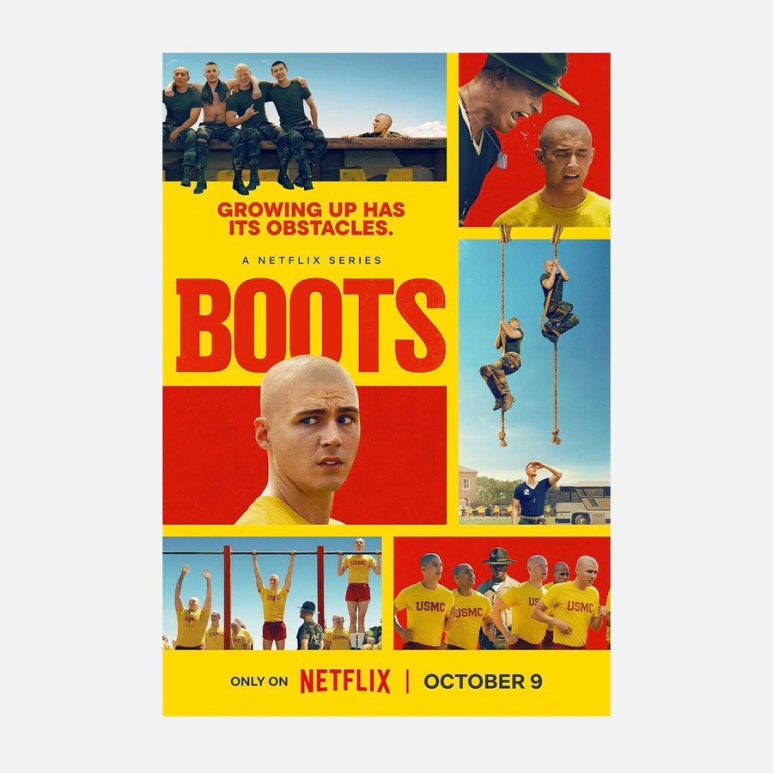
It’s been a while since I found a Netflix series truly worth recommending, but Bootcamp (original title: BOOTS) caught me off guard in the best way possible.
At first, I was drawn in by the poster — a sea of buzz-cut recruits and that unmistakable “Marine Corps energy.” Set in a U.S. Marine boot camp, the show immediately piqued my curiosity. I’m usually not into military or war-themed series — they often feel more like fantasy than realism — but the boot camp setting promised something more grounded and personal.
What makes this story even more intriguing is the protagonist: a young gay man who enlists to escape the bullying and trauma of his school years. When his best friend suggests they join the Marines together, he accepts — and that’s where his journey of transformation begins.
Each episode ends with a note that the show is based on the memoir The Pink Marine, which adds another layer of authenticity to the storytelling.
A Raw Glimpse into the 1990s
Set in the 1990s, the dialogue and behavior in Bootcamp are strikingly raw — filled with racist, sexist, and homophobic remarks that reflect the reality of that era. It’s uncomfortable at times, but that discomfort gives the story life and honesty.
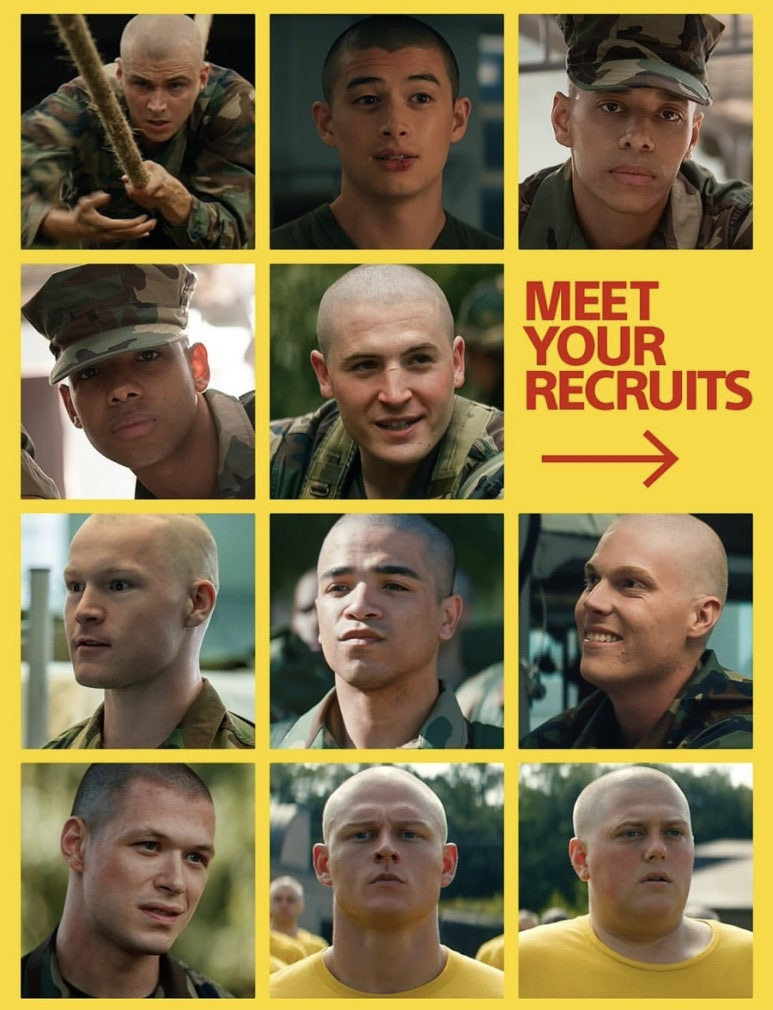
Each recruit has a unique backstory and reason for joining the Marines. Their personalities clash, yet somehow blend perfectly, creating a vibrant ensemble. Even though the story centers on the main character, the supporting cast feels real and essential — they’re not just background noise.
Humor, Identity, and Humanity
Yes, there’s gay humor and queer undertones throughout, but the writing is so human that even viewers unfamiliar or uneasy with those themes can still empathize with the characters. That’s the show’s strength — it builds bridges through shared struggles and growth.
For anyone who’s been through basic training — military or otherwise — the scenes of grueling drills and emotional camaraderie will trigger memories (and maybe a smirk).

The Drill Instructors and Emotional Core
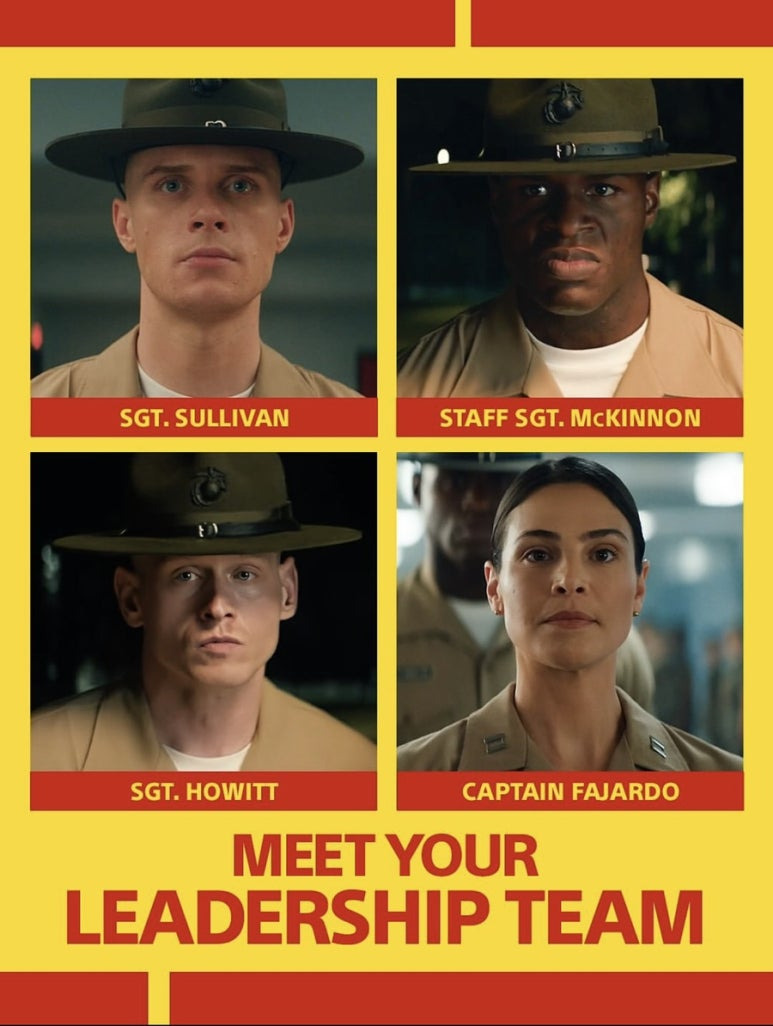
The performances of the drill instructors are another highlight. Each one embodies a different form of authority — from harsh to quietly supportive — creating a believable system that challenges and shapes the recruits.
The show doesn’t rely on traditional villains. Instead, it explores conflict through authenticity: racial tension, gender inequality, and the deep conflict between personal identity and institutional loyalty.
Brotherhood Beyond Labels
Even though the “brotherhood through hardship” trope is a familiar one, Bootcamp makes it feel fresh by layering it with questions about masculinity, identity, and acceptance.
It’s ultimately a story about growing into the person you want to be, not the one society expects. Through the eyes of a gay Marine recruit, we see a universal coming-of-age story — one that’s emotional, funny, and deeply human.
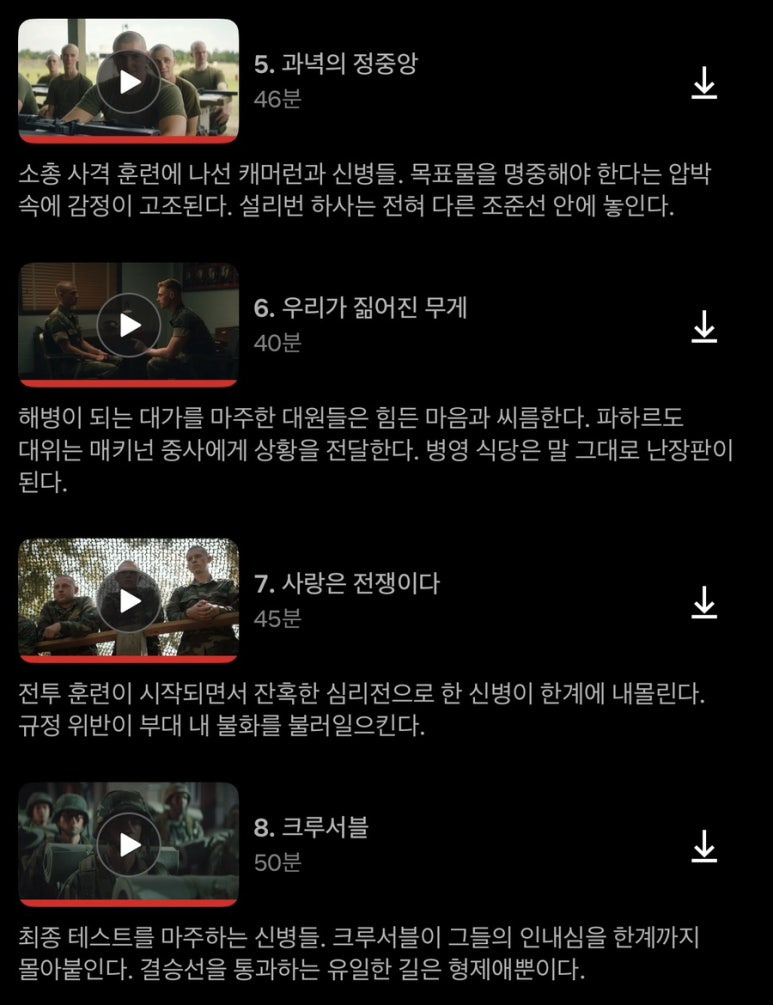
The 8-episode structure is tight, purposeful, and emotionally satisfying from start to finish. Bootcamp is one of those rare Netflix series that I can confidently recommend — both for its storytelling and its heartfelt message.
#NetflixBootcamp #ThePinkMarine #NetflixReview #MilitaryDrama #LGBTQStories #ComingOfAgeSeries #NetflixRecommendation